What Is Encryption?
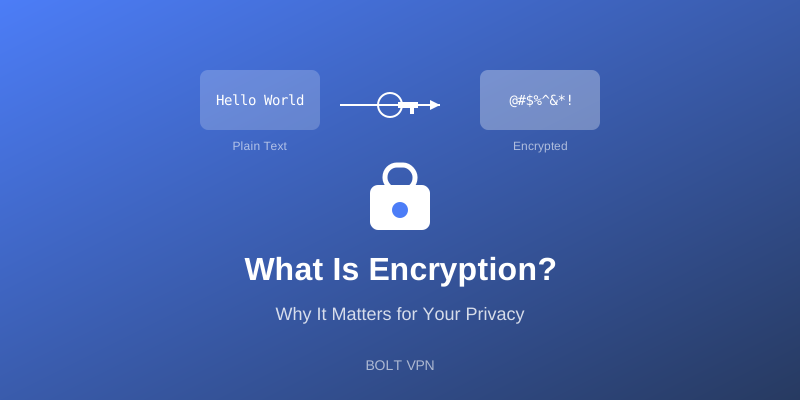
Encryption is the process of converting readable data into an unreadable format that can only be decoded with the correct key.
Think of it like a secret language that only you and the intended recipient understand.
How Encryption Works
The Basic Process
1. Plaintext - Your original, readable data
2. Encryption algorithm - Mathematical formula that scrambles the data
3. Encryption key - The secret code used to encrypt/decrypt
4. Ciphertext - The scrambled, unreadable result
Types of Encryption
#### Symmetric Encryption
Same key encrypts and decrypts. Fast but key sharing is challenging.
#### Asymmetric Encryption
Public key encrypts, private key decrypts. More secure for communication.
Encryption in VPNs
VPNs use encryption to protect your internet traffic. Common VPN encryption includes:
AES-256
- Military-grade encryption
- 256-bit key length
- Would take billions of years to crack
ChaCha20
- Used in WireGuard protocol
- Faster on mobile devices
- Equally secure as AES-256
Why Encryption Matters
Protects Your Data
Even if intercepted, encrypted data is useless to attackers.
Secures Communications
Emails, messages, and calls stay private.
Enables Online Commerce
Credit card transactions depend on encryption.
Preserves Privacy
Your ISP and hackers can't read encrypted traffic.
Bolt VPN's Encryption
Bolt VPN uses WireGuard's ChaCha20 encryption, providing:
- Lightning-fast performance
- Unbreakable security
- Low battery consumption
Your data is safe with Bolt VPN.